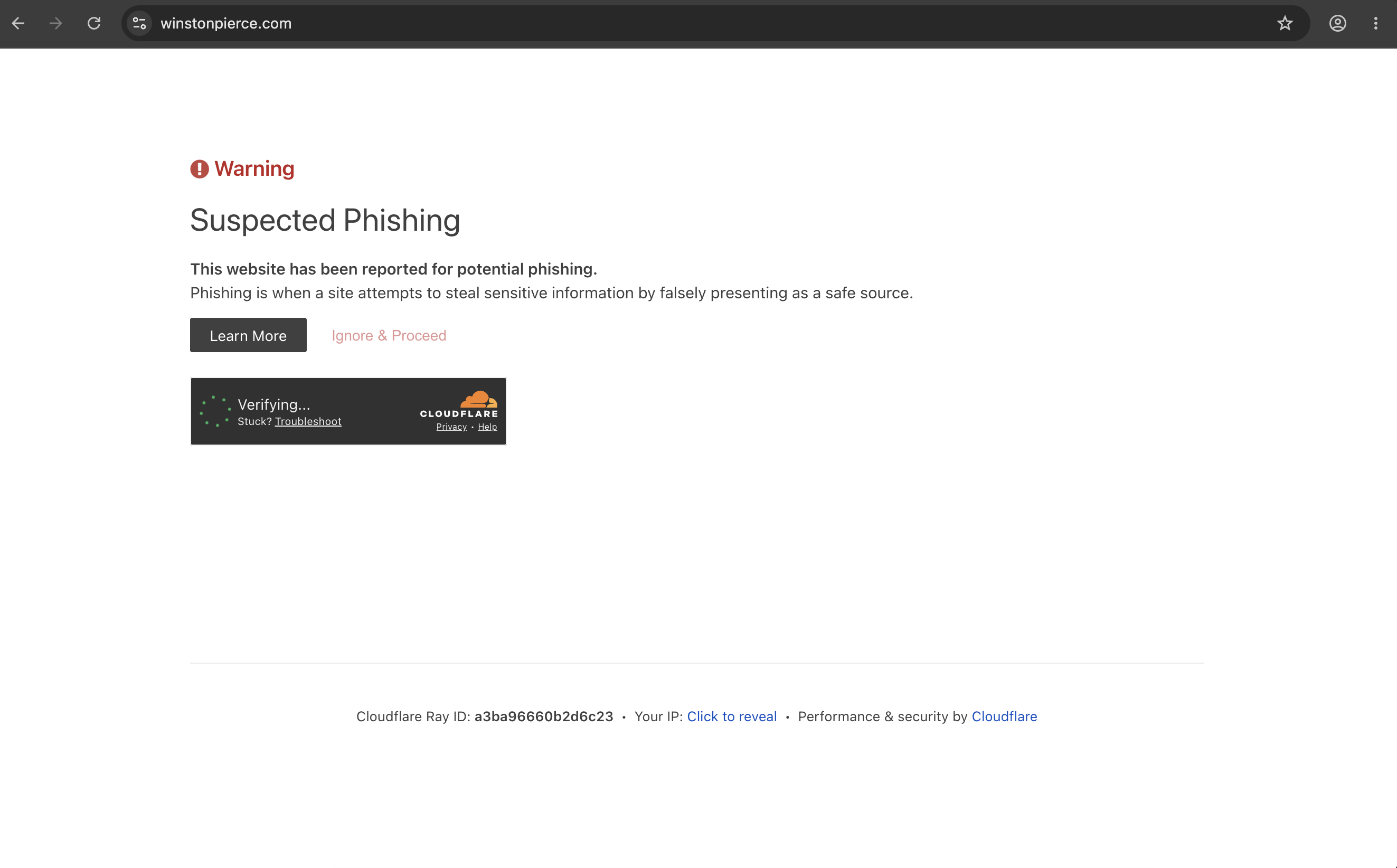
Introduction Alternative investment platforms are popping up everywhere these days, each promising outsized returns, cutting-edge strategies, and access to exclusive deals. Winston Pierce is one of these newer players, positioning itself as a high-end investment platform for wealthy individuals and institutional investors. But here’s the catch: it’s not registered with any major financial regulators.
That lack of oversight raises serious questions. Without regulatory supervision, how transparent is the platform? How protected are investors if something goes wrong? And is the platform even legitimate in the first place?
This article takes a hard look at Winston Pierce—what it offers, how it operates, and the risks you might be taking if you hand over your money. The goal isn’t to scare you off but to give you the facts so you can decide for yourself whether this is the right fit for your portfolio.
What Exactly Is Winston Pierce? Winston Pierce markets itself as a private investment platform focused on alternative assets—think private equity, venture capital, real estate, and private credit. Unlike traditional brokerage firms that deal in stocks and bonds, this platform is all about non-public investments , catering to investors who want to diversify beyond the usual Wall Street fare.
The pitch is simple: exclusive, high-touch service for sophisticated investors. But what does that really mean? Let’s break it down.
The Key Features of Winston Pierce 1. A Focus on Alternative Investments Winston Pierce doesn’t deal in stocks, bonds, or ETFs. Instead, it zeroes in on:
Private equity (early-stage and growth companies) Venture capital (startups and emerging industries) Real estate (commercial properties and development projects) Private credit (direct lending and structured debt)
This is the kind of stuff that usually flies under the radar of most retail investors. For those who qualify, it’s an opportunity to get in on deals that aren’t available in the public markets.
2. Exclusivity for the Wealthy This isn’t a platform for just anyone. Winston Pierce appears to target:
Accredited investors (those with a net worth over $1 million or an annual income exceeding $200,000) Institutional clients (pension funds, endowments, family offices)
The platform likely requires six- or seven-figure minimums , reinforcing its high-net-worth clientele focus. If you’re not in that bracket, this probably isn’t the place for you.
3. Customized Portfolios Winston Pierce claims to offer personalized investment strategies , using proprietary algorithms and expert advice to optimize returns. Investors may receive quarterly or annual performance reports , but how detailed these are—and whether they’re independently verified—remains unclear.
4. The Fee Structure Like many private investment platforms, Winston Pierce likely operates on a "two-and-twenty" model :
2% management fee (a standard charge for overseeing your investments) 20% performance fee (a cut of the profits if the investments do well)
Some platforms also tack on transaction fees, carried interest, or performance hurdles , but Winston Pierce hasn’t spelled out its exact fee structure. That lack of clarity alone should give investors pause.
5. A Tech-Driven Experience The platform’s website and marketing materials suggest a modern, user-friendly interface , complete with digital dashboards for tracking investments, capital calls, and redemption requests. But while the front end looks sleek, the backend—how the platform actually operates—is far murkier.
How Does Winston Pierce Actually Work? We don’t have a full playbook on Winston Pierce’s inner workings, but we can piece together how similar platforms typically function.
1. Bringing in Investors
Accreditation Check: You’ll need to prove you’re an accredited investor, usually by submitting tax returns, brokerage statements, or a third-party verification. Signing Up: You’ll sign subscription agreements outlining the terms, fees, and redemption policies. Pooling Funds: Your money gets combined with other investors’ capital and deployed into private deals.
2. Selecting and Managing Investments
Deal Sourcing: Winston Pierce likely partners with private equity firms, venture capital funds, and real estate developers to find opportunities. Due Diligence: The platform may conduct its own vetting process, but how thorough it is—and whether it’s independent—is anyone’s guess. Oversight: Investors usually get periodic updates rather than real-time access to their holdings. If you’re expecting the same transparency as a public mutual fund, you’ll be disappointed.
3. Getting Your Money Back
Illiquidity: Private investments aren’t like stocks—you can’t just sell them on a whim. Expect multi-year lock-up periods where your money is tied up. Profit Distributions: Returns might come in quarterly, annually, or only when an investment exits (e.g., when a company goes public or gets acquired). Redemption Restrictions: Some platforms impose gates or suspensions during market downturns, meaning you might not be able to pull your money out when you need it.
4. The Regulatory Loophole Winston Pierce isn’t registered with the SEC or any other major financial regulator . Instead, it likely relies on exemptions like:
Regulation D (private placements) Regulation S (for offshore investors) Rule 506(b/c) (allowing it to avoid full registration)
The problem? Without regulatory oversight, there’s no mandatory auditing, no standardized disclosures, and no investor complaint mechanisms. If something goes wrong, you’re on your own.
The Risks of Investing with Winston Pierce Unregistered platforms like Winston Pierce come with serious risks . Here’s what you need to know before committing your money.
1. Regulatory and Legal Risks
No SEC Oversight: Unregistered platforms aren’t subject to SEC examinations, meaning they don’t have to maintain proper books, disclose conflicts of interest, or follow investor protection rules. Higher Fraud Risk: Without regulatory scrutiny, the door is wide open for Ponzi schemes, fund mismanagement, or outright fraud . Limited Recourse: If Winston Pierce violates securities laws, you won’t have the same protections as you would with a registered firm. Regulatory agencies can’t step in to help.
2. Liquidity and Exit Risks
Your Money Is Locked Up: Private investments aren’t liquid. You could be stuck for 5-10 years with no way to sell your stake. Redemption Suspensions: Some platforms freeze withdrawals during market downturns, leaving you stranded. Valuation Games: Private assets aren’t marked-to-market daily, so reported returns could be inflated or manipulated .
3. Transparency and Disclosure Gaps
No Audited Financials: Unlike publicly traded funds, Winston Pierce may not provide detailed, independently verified financial reports . Hidden Fees: Management fees, performance fees, and other costs can eat into your returns over time. Conflicts of Interest: The platform might favor investments that benefit insiders or affiliated parties over your returns.
4. Operational and Counterparty Risks
Platform Insolvency: If Winston Pierce runs into financial trouble, you could lose access to your funds. Third-Party Dependencies: The platform relies on external fund managers, custodians, and auditors . If any of them fail, your money could be at risk. Cybersecurity Threats: Digital platforms are prime targets for hacking, data breaches, or fund misappropriation .
5. Market and Performance Risks
Private Markets Are Volatile: Unlike public markets, private investments can stagnate for years with no immediate repricing. Overconcentration Risks: If Winston Pierce’s portfolio is too focused on one sector or asset class, a downturn could wipe out your returns . No Benchmarks: Without clear performance benchmarks, it’s hard to tell if the returns are truly competitive or just smoke and mirrors.
Who Should—and Shouldn’t—Consider Winston Pierce? This platform isn’t for everyone. In fact, it’s not for most people . But there’s a small subset of investors who might find it appealing.
Who Might Benefit? ✅ High-risk tolerance investors who can afford to lock up their money for years. ✅ Accredited investors with the net worth to meet minimum investment thresholds. ✅ Those seeking diversification beyond traditional stocks and bonds. ✅ Investors who trust the platform’s track record (though public data is scarce). ✅ People comfortable with illiquidity and lack of regulatory protections. Who Should Steer Clear? ❌ Retail investors (non-accredited individuals). ❌ Investors who need liquidity (emergency funds, short-term goals). ❌ Those who prioritize transparency (audited reports, real-time valuations). ❌ Risk-averse individuals who can’t afford potential losses.
Red Flags to Watch For Before you hand over your money to Winston Pierce—or any unregistered platform—keep an eye out for these warning signs:
🚩 No Clear Registration: If the platform doesn’t disclose its regulatory status, walk away. 🚩 Unverifiable Performance Claims: Be skeptical of hypothetical or back-tested returns without third-party audits. 🚩 High-Pressure Sales Tactics: Legitimate firms don’t rush you into decisions. 🚩 Vague Fee Structures: If fees aren’t clearly spelled out, they’re probably excessive. 🚩 No Independent Custody of Assets: If the platform holds your funds directly (instead of a third-party custodian), the risk of fraud increases.
What Can You Do If You’ve Been Affected? If you've had any interactions with winstonpierce.com, it’s really important to take a breath and act quickly:
Stop sending any more money right away. Make sure to save all your records, like transactions and messages. Take a moment to evaluate your situation before making any more decisions.
Getting your funds back in these cases can be tough and is usually a step-by-step process.
We’re here to offer some guidance to help you understand your options and what you might want to consider next.
👉 Head over to our Contact Us page to learn more and get the support you need.
Alternatives to Winston Pierce If you’re interested in private market exposure but want to avoid the risks of an unregistered platform , consider these alternatives:
1. Registered Private Equity & Venture Capital Funds Firms like Blackstone, KKR, and Sequoia Capital offer private market funds with SEC oversight . You can access these through brokerage accounts or retirement plans.
2. Publicly Traded Private Equity (BDCs & REITs)
Business Development Companies (BDCs) like Ares Capital (ARCC) provide liquid exposure to private credit. Real Estate Investment Trusts (REITs) like Blackstone REIT (BREIT) offer real estate investments without the illiquidity of private deals.
3. Regulated Crowdfunding Platforms Platforms like Republic, SeedInvest, and Fundrise let smaller investors participate in private deals with SEC compliance .
4. Robo-Advisors with Alternative Strategies Fintech platforms like Yieldstreet and Masterworks offer regulated alternative investments with lower minimums.
The Bottom Line: Should You Invest with Winston Pierce? Winston Pierce may look like a sleek, high-end investment platform, but its lack of regulatory registration is a major red flag . Without SEC oversight, you’re essentially flying blind—trusting a platform that isn’t held to the same standards as registered firms.
If you’re still considering it, here’s what you should do:
Consult a financial advisor to weigh the risks. Demand full transparency —audited financials, clear fee breakdowns, and straightforward redemption policies. Diversify your risk —don’t put all your capital into a single unregulated platform. Consider regulated alternatives that offer similar exposure without the same level of risk.
The allure of high returns in private markets is strong, but the lack of safeguards in unregistered platforms means the risks often outweigh the rewards . Proceed with skepticism—and always prioritize investor protection over aggressive yield chasing.
At the end of the day, your money deserves better than a gamble on an unproven platform. Do your homework, ask tough questions, and invest wisely.