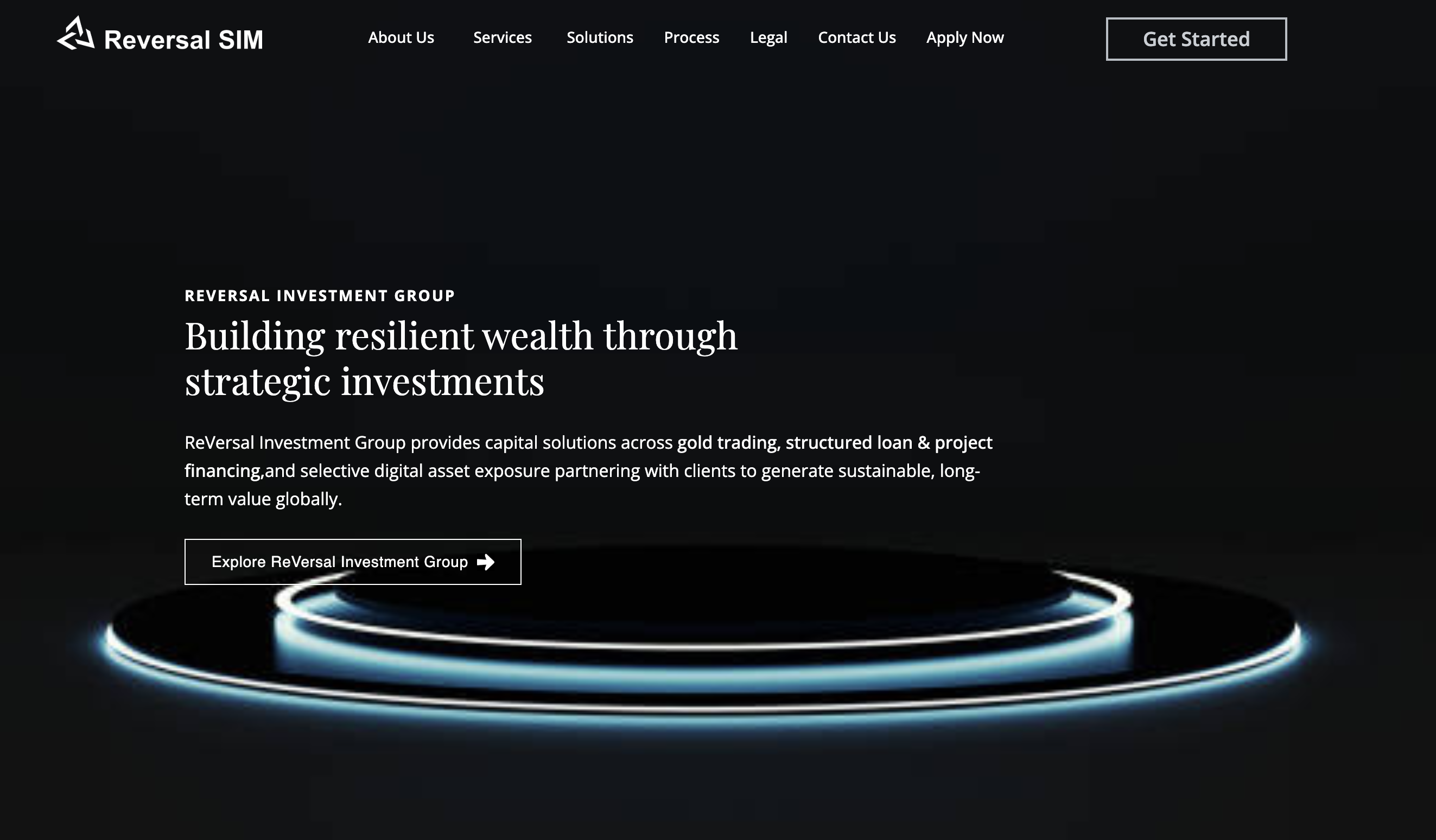
Introduction The financial world is full of opportunities—stocks, bonds, cryptocurrencies, forex, and more. But not every platform offering these investments is trustworthy. Some operate in a legal gray area, and Reversalsim Group is one of them.
This platform has flown under the radar, but its lack of registration and unclear regulatory status should raise serious questions. In this article, we’ll break down how Reversalsim Group works, what red flags to watch for, and why you might want to think twice before trusting it with your money.
What Exactly Is Reversalsim Group? Reversalsim Group markets itself as an investment platform, but here’s the catch: it’s not registered with any major financial authority. That means no SEC (U.S.), FCA (U.K.), or CySEC (EU) oversight.
Most legitimate financial firms go through rigorous registration processes to ensure transparency, financial stability, and investor protection. Reversalsim Group, on the other hand, doesn’t appear in any official regulatory databases—which is a major warning sign.
Without proper registration, investors have no legal safeguards if things go wrong. No audits, no compliance checks, and no way to resolve disputes if something goes sideways.
Key Red Flags About Reversalsim Group 1. It’s Unregistered—And That’s a Problem
No licenses from financial regulators. No obligation to follow industry standards. No protection if the platform collapses or mismanages funds.
2. Its Business Model Is a Mystery
How does it actually make money? Most investment platforms earn through trading fees, spreads, or asset management—but Reversalsim Group doesn’t explain its revenue model. Lack of transparency is never a good sign.
3. Its Marketing Feels Too Good to Be True
Promises of quick, high returns with little risk are classic signs of a scam. If it’s pushing "exclusive" or "limited-time" deals, that’s a red flag. Legitimate investments don’t pressure you into decisions.
4. Almost No Independent Reviews Exist
Unlike well-known brokers, Reversalsim Group has few credible reviews or third-party endorsements. If you can’t find solid feedback from real users or financial experts, that’s a bad sign.
5. Withdrawal Issues Are Common
Many unregistered platforms make it hard to get your money back. Delays, hidden fees, or outright refusals to process withdrawals are all too common. If a platform won’t let you take your money out easily, walk away.
How Does Reversalsim Group Actually Work? We don’t have full transparency into its operations, but based on how similar unregistered platforms function, here’s what we can infer:
What It Likely Offers
Forex Trading – High-risk currency trading with leverage. Cryptocurrency Trading – Volatile digital assets with no guarantees. CFDs (Contracts for Difference) – Betting on price movements without owning the asset. Managed Investment Accounts – The platform claims to invest your money for a fee, but who’s really in control?
How It Makes Money (Probably)
Trading Commissions – Fees on every trade. Wider Spreads – The gap between buy and sell prices may be manipulated. Inactivity Fees – Charging you just for having an account. Hidden Withdrawal Fees – Slow or expensive payouts.
How It Signs Up Users
Minimal Identity Checks – Unlike regulated brokers, it may not verify who you are. Instant Approvals – If it takes seconds to open an account, that’s a red flag. Crypto-Only Deposits – Some shady platforms prefer untraceable payments.
The Biggest Risks of Using an Unregistered Platform 1. No Legal Protections
If the platform fails, you won’t get compensation like you would with a regulated broker. No way to file complaints if something goes wrong.
2. High Risk of Fraud
Some unregistered platforms run Ponzi schemes , paying old investors with new deposits. Funds could be stolen or misused without oversight. Fake trading reports can lure in more victims before the whole thing collapses.
3. Your Money Could Disappear
Client funds might not be kept separate from the company’s money. No proper records mean no way to recover losses if disputes arise.
4. Sudden Shutdowns
Authorities frequently shut down unregistered platforms. When that happens, investors often lose everything.
What Should You Do Before Using Reversalsim Group? If you’re still considering it, here’s what to do first:
✅ Check Its Registration Status – Look it up on official regulator websites (SEC, FCA, ASIC, etc.). ✅ Dig Into Its Background – Search for reviews, forum discussions, and complaints. ✅ Understand the Risks – Leveraged trading (forex, CFDs) can wipe you out fast. ✅ Test Withdrawals Early – Try pulling out a small amount before committing big. ✅ Ignore High-Pressure Tactics – If it’s rushing you, it’s probably not legit. ✅ Stick to Regulated Platforms – Brokers like Interactive Brokers, eToro, or Saxo Bank offer real protections.
What Can You Do If You’ve Been Affected? If you've had any interactions with Reversalsim Group, it’s really important to take a breath and act quickly:
Stop sending any more money right away. Make sure to save all your records, like transactions and messages. Take a moment to evaluate your situation before making any more decisions.
Getting your funds back in these cases can be tough and is usually a step-by-step process.
We’re here to offer some guidance to help you understand your options and what you might want to consider next.
👉 Head over to our Contact Us page to learn more and get the support you need.
Final Verdict: Should You Trust Reversalsim Group? Short answer: Probably not. While it might promise big returns, the lack of regulation, unclear business model, and history of similar scams make it a high-risk gamble. If you lose money, you likely won’t have any legal recourse.
Instead, stick to licensed, transparent platforms where your funds are protected. And remember: If an investment sounds too good to be true, it almost always is. Stay smart, stay skeptical, and protect your money.