

Introduction
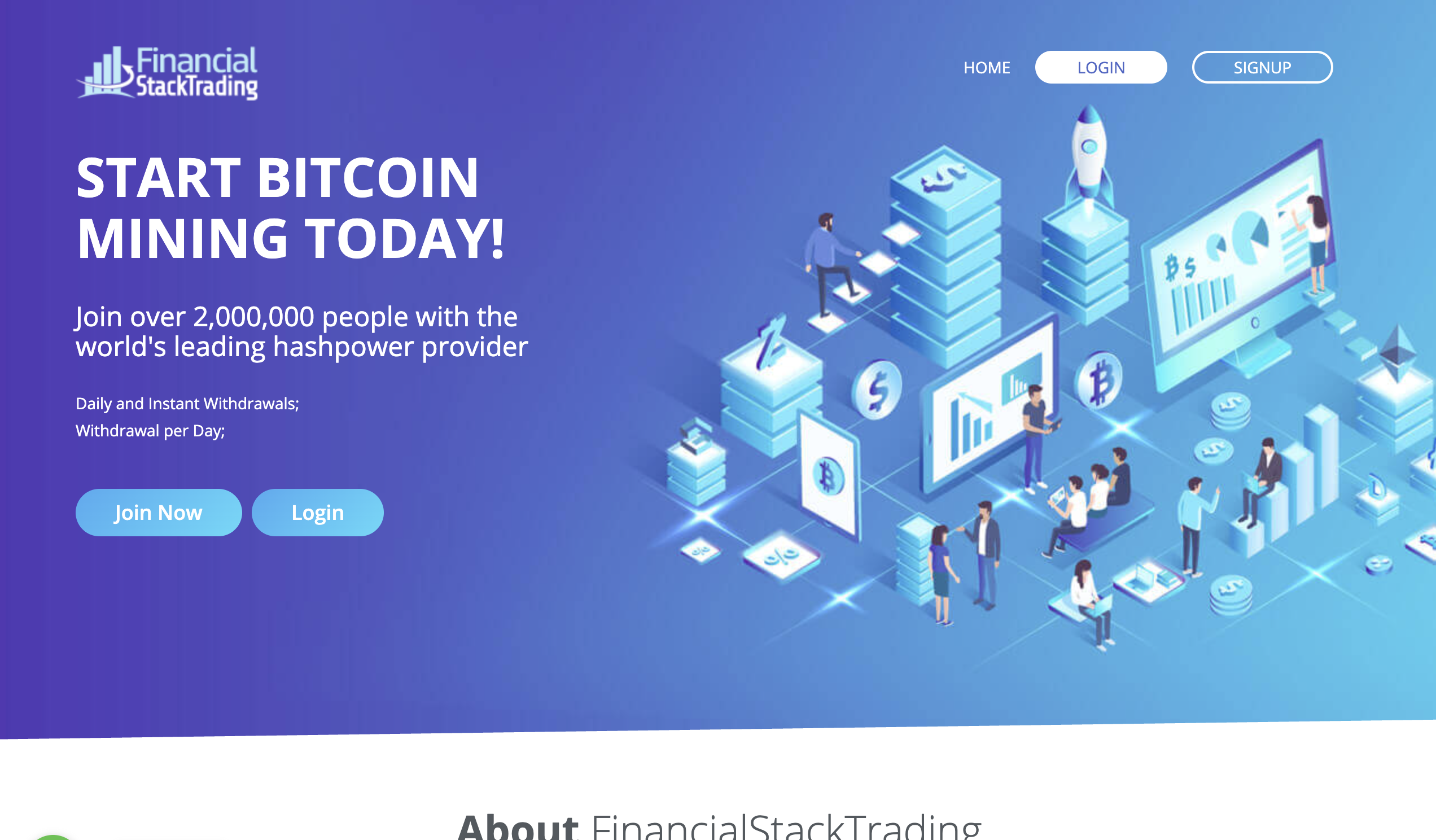
Online trading has exploded in popularity, putting financial markets within reach of everyday investors. Platforms like FinancialStackTrading.net have carved out a space for themselves—but they’re also raising eyebrows. Unlike traditional brokers, this one operates without the usual oversight from financial watchdogs like the SEC or FCA. That lack of regulation naturally leads to questions: Is it legit? How safe is it? And should you trust it with your money? This isn’t a black-and-white review. Instead, we’ll break down what FinancialStackTrading offers, how it works, and where it falls short—so you can decide for yourself whether it’s worth the risk.1. What Makes FinancialStackTrading Different?
1.1 What’s on the Menu?
FinancialStackTrading bills itself as a one-stop shop for traders, offering:- Forex – Major, minor, and exotic currency pairs with leverage.
- Cryptocurrencies – Bitcoin, Ethereum, and other digital assets with tight spreads.
- Stocks & Indices – Global markets via CFDs (Contracts for Difference).
- Commodities – Gold, oil, and even agricultural products.
- Automated Trading – Algorithmic tools and copy-trading for hands-off investors.
1.2 The Tech Behind the Platform
FinancialStackTrading runs on MetaTrader 4 (MT4) and MetaTrader 5 (MT5)—the same software used by most serious traders. That means: ✔ Fast execution (at least, that’s what they claim). ✔ Mobile and desktop access (Windows, Mac, iOS, Android). ✔ API support for custom trading bots and indicators. ✔ Web-based trading—no downloads needed for basic use. The problem? No independent audits. You’re taking the company’s word on performance and security, which isn’t ideal when your money’s on the line.1.3 Account Tiers: Pick Your Level
FinancialStackTrading offers four account types, each with different perks:| Account Type | Minimum Deposit | Max Leverage | Key Perks |
|---|---|---|---|
| Basic | $100 | 1:500 | Standard spreads, no bonuses |
| Silver | $1,000 | 1:500 | Lower spreads, market analysis |
| Gold | $5,000 | 1:1000 | Personal account manager, VIP support |
| Platinum | $20,000 | 1:1000 | Custom leverage, exclusive signals |
- Credit/debit cards (Visa, Mastercard)
- Bank transfers (SWIFT, SEPA)
- E-wallets (Skrill, Neteller, Perfect Money)
- Cryptocurrencies (Bitcoin, USDT, Ethereum)
- They claim 24-48 hours for processing.
- No withdrawal fees (though your bank might charge for transfers).
- No deposit insurance (unlike FDIC in the U.S. or FSCS in the UK).
- Extreme leverage (up to 1:1000)—great for big wins, but disastrous for beginners.
2. Is It Easy to Use? And How’s the Support?
2.1 Signing Up: A Walk in the Park?
Getting started is surprisingly simple:- Register with basic info (name, email, phone).
- Verify your identity (standard KYC—ID and proof of address).
- Deposit funds (multiple options, no hidden fees).
2.2 Trading on the Platform
Since it uses MT4/MT5, the interface will feel familiar to most traders. Features include:- Advanced charting (9 timeframes, 50+ indicators).
- Expert Advisors (EAs) for automated trading.
- Market analysis (daily reports, economic calendars).
- Copy-trading to mimic successful traders.
2.3 Customer Support: Help When You Need It?
FinancialStackTrading offers 24/5 support via:- Live chat (usually quick responses).
- Email (ticket-based system).
- Phone (but only during limited hours).
3. The Biggest Red Flags (And Why They Matter)
3.1 No Regulation = No Safety Net
FinancialStackTrading isn’t licensed by any major financial authority (SEC, FCA, ASIC, etc.). Instead, it operates from St. Vincent & the Grenadines—a common offshore hub for unregulated brokers. Why This Is a Problem:- Your funds aren’t protected. If the company goes under, you’re out of luck.
- No legal obligation to keep your money safe.
- Higher risk of shady practices (sudden withdrawal blocks, hidden fees, or even outright scams).
3.2 A Company That Won’t Show Its Face
- No public ownership details. Who’s really behind FinancialStackTrading? No one knows.
- Vague terms and conditions. They can change fees, spreads, or leverage without warning.
- No audited financial reports. Unlike regulated brokers, there’s no way to verify if they’re financially stable.
3.3 Hidden Costs and Sneaky Rules
- Spreads aren’t as tight as advertised. They can widen dramatically during news events.
- Inactivity fees kick in after 3-6 months of no trading.
- Bonus terms are a trap. A trader once lost a $5,000 bonus after meeting trading requirements because the rules were “unclear.”
3.4 Security: A Big Question Mark
- No mention of SSL certification (though most platforms use HTTPS).
- User data (including financial info) may not be stored securely.
- No enforced two-factor authentication (2FA). Some users say it’s optional—a major red flag.
4. How Does It Compare to Regulated Brokers?
| Feature | FinancialStackTrading.net | Regulated Broker (e.g., Interactive Brokers, IG) |
|---|---|---|
| Regulation | Unregistered | Fully licensed (FCA, SEC, ASIC, etc.) |
| Fund Safety | No deposit insurance | Protected by compensation schemes |
| Leverage Limits | Up to 1:1000 | Typically 1:30 (EU) or 1:500 (offshore) |
| Fees & Spreads | Variable, sometimes high | Transparent, competitive |
| Customer Support | 24/5, but limited depth | 24/7, with dedicated account managers |
| Educational Resources | Basic | Extensive (webinars, courses, research) |
| Withdrawal Speed | 24-48 hours | Usually 1-3 business days |
| Trading Tools | MT4/MT5, basic signals | Advanced platforms (e.g., Trader Workstation) |
5. Who Should (and Shouldn’t) Use FinancialStackTrading?
✅ Good For:
- Experienced traders who know the risks of high leverage.
- Traders who need extreme leverage (1:1000).
- People in restricted countries where regulated brokers block them.
- Short-term speculators (day traders, scalpers) who prioritize speed.
❌ Avoid If You’re:
- A beginner—high leverage + no education = big losses fast.
- A conservative investor—no FDIC-like protection means your money is at risk.
- Someone who needs dispute resolution—no formal channels for complaints.
- Prioritizing security—unregulated = no legal recourse if things go wrong.
6. The Final Verdict: High Risk, High Reward (But Mostly Risk)
FinancialStackTrading isn’t inherently a scam, but its lack of regulation makes it a gamble. It’s a high-risk, high-reward platform that might appeal to traders who prioritize flexibility over safety. If you still want to try it: ✔ Start with a small deposit to test reliability. ✔ Read user reviews (Trustpilot, Forex Peace Army). ✔ Avoid max leverage unless you’re an expert. ✔ Withdraw profits often—don’t leave big balances sitting there. ✔ Consider regulated alternatives (Pepperstone, OANDA) if security matters.What Can You Do If You’ve Been Affected?
If you've had any interactions with FinancialStackTrading, it’s really important to take a breath and act quickly:- Stop sending any more money right away.
- Make sure to save all your records, like transactions and messages.
- Take a moment to evaluate your situation before making any more decisions.