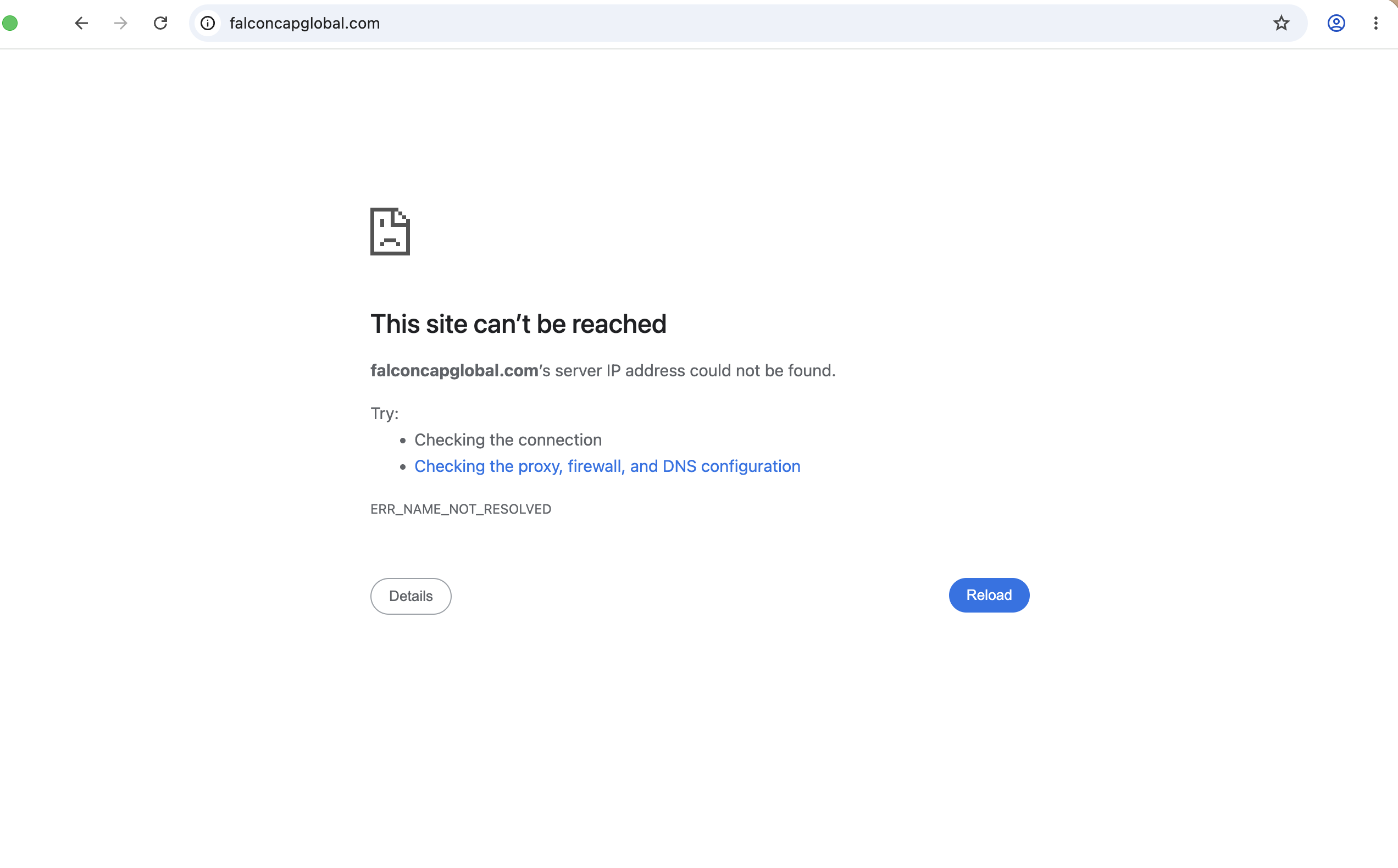
Introduction Alternative investments are growing in popularity, but they also come with growing scrutiny—especially when they operate outside traditional financial systems. FalconCap Global has stepped into this space, positioning itself as a gateway to private equity, venture capital, and other non-traditional assets. But its lack of registration with major financial regulators raises serious questions about transparency, security, and legitimacy.
This article takes a hard look at FalconCap Global—what it offers, how it works, and the risks investors should consider before jumping in. By breaking down its structure, user experience, and regulatory status, we’ll help you decide whether it’s a platform worth your time—or one to avoid.
What Exactly Is FalconCap Global? FalconCap Global markets itself as a platform for alternative investments—think private equity, venture capital, and other niche opportunities that most retail investors can’t easily access. Unlike traditional brokerages or registered investment advisors, FalconCap operates in a less regulated environment, which can be appealing to those willing to take on higher risks for potentially higher rewards.
What Makes FalconCap Stand Out?
Access to Exclusive Investments – The platform claims to open doors to private markets, real estate, and other hard-to-reach asset classes that are usually off-limits to everyday investors. Global Reach – FalconCap positions itself as a bridge between investors and international opportunities, suggesting a wide geographic footprint. Easy-to-Use Interface – Designed to attract both beginners and seasoned investors, the platform emphasizes simplicity in navigating investment options. High-Return Potential – Like many alternative investment platforms, FalconCap highlights the possibility of outsized gains—but with the usual disclaimers about risk.
While these features might sound attractive, they also deserve a closer look—especially when it comes to regulatory compliance and risk management.
How Does FalconCap Global Actually Work? Navigating the Platform FalconCap appears to offer a clean, intuitive interface where users can:
Browse investment opportunities – See what’s available, along with projected returns, minimum investments, and lock-up periods. Track their portfolio – Monitor investments, returns, and account activity from a centralized dashboard. Review legal agreements – Access contracts outlining terms, risks, and obligations before committing funds.
For investors used to traditional brokerages, FalconCap’s setup might feel familiar in structure but unfamiliar in execution because of its unregistered status.
The Investment Process: Step by Step Here’s how a typical investment might go on FalconCap:
Sign Up & Verify Identity – Users create an account, complete KYC (Know Your Customer) and AML (Anti-Money Laundering) checks, and fund their accounts. Browse & Select Opportunities – Investors review available deals, weighing risks, potential returns, and how well they fit their goals. Commit Capital – Funds are transferred, and legal agreements are signed. Monitor & Receive Returns – Investors track performance, with payouts (if any) happening at set intervals.
Simple enough, right? The catch? Without regulatory oversight, there’s far less protection if something goes wrong—like mismanagement, fraud, or unexpected delays.
The Biggest Red Flag: FalconCap’s Unregistered Status Why Does Registration Matter? FalconCap’s biggest warning sign is its lack of registration with key financial regulators, including:
The U.S. Securities and Exchange Commission (SEC) The UK’s Financial Conduct Authority (FCA) Other regional financial authorities
Unregistered platforms don’t face the same strict rules as registered ones, which means:
No Mandatory Financial Disclosures – Unlike registered firms, FalconCap isn’t required to publish audited financial statements or detailed risk assessments. Fewer Protections for Investors – If the platform fails or engages in misconduct, investors may have little legal recourse. Higher Risk of Regulatory Crackdowns – Authorities could shut it down if they find it operating illegally.
Could FalconCap Be Operating Under an Exemption? Some unregistered platforms work under legal loopholes, such as:
SEC Regulation D – Allows private placements to accredited investors (high-net-worth individuals). SEC Regulation S – Permits offshore offerings to non-U.S. investors. Local Regulations – Some countries have lighter rules for alternative investments.
The problem? FalconCap doesn’t clearly explain whether it’s using any of these exemptions—or if it’s even eligible. That lack of transparency leaves investors in the dark about its legal standing.
Where FalconCap Global Raises Concerns 1. A Lack of Transparency
No Public Financial Data – Unlike publicly traded companies or registered funds, FalconCap doesn’t disclose its financial health, revenue streams, or asset-backed reserves. Vague Investment Descriptions – Some opportunities lack clear risk disclosures, making it hard for investors to assess their viability. Hidden or Unclear Fees – Excessive or undisclosed fees can quietly eat into returns without investors realizing it.
2. High Risk of Losing Money Alternative investments are inherently risky, and FalconCap is no exception:
Illiquidity – Many deals likely have long lock-up periods, meaning your money could be tied up for years. No Guaranteed Returns – Unlike savings accounts or government bonds, these investments can—and often do—lose value. Higher Chance of Fraud – Unregistered platforms have a troubling history of Ponzi schemes and fund mismanagement.
3. Limited Recourse If Things Go Wrong If FalconCap fails to deliver on promises—whether through delayed payouts, misrepresented returns, or outright fraud—investors have far fewer options for recovery compared to registered platforms.
4. Geopolitical and Currency Risks If FalconCap operates across multiple countries, investors could face:
Exchange Rate Fluctuations – Currency devaluations can shrink returns. Political Instability – Some regions impose sudden capital controls or restrictions. Legal Ambiguities – Different countries have different laws on investment recovery, making disputes even more complicated.
Who Might Still Find Value in FalconCap Global? Despite the risks, a few types of investors might still consider FalconCap:
Accredited Investors – High-net-worth individuals who can afford to take on high-risk investments. Sophisticated Investors – Those with experience in private markets who understand the risks. Diversification Seekers – Investors looking to allocate a small portion of their portfolio to alternative assets.
Even then, extreme caution is necessary . Thorough due diligence is a must before committing any capital.
Red Flags to Watch For Not all unregistered platforms are scams—but many share common warning signs. Be skeptical if FalconCap (or any similar platform) exhibits these traits: ⚠ Overly Aggressive Marketing – Promises of "guaranteed returns" or "risk-free" investments are almost always a lie. ⚠ No Clear Legal Structure – If the platform can’t explain its regulatory status or compliance measures, walk away. ⚠ Poor Communication – Slow responses to questions or refusal to provide additional documentation is a bad sign. ⚠ Negative User Feedback – Consistent complaints about fund mismanagement or withdrawal issues should raise alarms.
Safer Alternatives to Consider If you’re interested in alternative investments but want more regulatory protections, here are some better-regulated options:
Registered Private Equity Funds – Firms like Blackstone or KKR offer private market access with SEC oversight. Crowdfunding Platforms – Platforms like Seedrs or Crowdcube provide regulated access to startups and real estate. Exchange-Traded Funds (ETFs) – Some ETFs offer indirect exposure to private markets with daily liquidity.
These alternatives still carry risk, but they come with more transparency and investor protections.
The Bottom Line: Should You Invest in FalconCap Global? FalconCap Global is a highly speculative investment opportunity. While it may offer access to lucrative alternative assets, its unregistered status introduces serious risks that can’t be ignored.
The Pros: ✅ Access to niche investment opportunities ✅ Potential for high returns (if successful) ✅ User-friendly platform design
The Cons: ❌ No regulatory oversight ❌ High risk of loss or fraud ❌ Limited investor protections ❌ Potential liquidity issues
Our Recommendation: Only consider FalconCap Global if: ✔ You’re an accredited or sophisticated investor with a high risk tolerance. ✔ You’ve done your own research and fully understand the platform’s operations. ✔ You’re prepared to lose your investment if things go wrong.
For most retail investors, the safer, more regulated alternatives mentioned above are the smarter choice.
What Can You Do If You’ve Been Affected? If you've had any interactions with FalconCap Global, it’s really important to take a breath and act quickly:
Stop sending any more money right away. Make sure to save all your records, like transactions and messages. Take a moment to evaluate your situation before making any more decisions.
Getting your funds back in these cases can be tough and is usually a step-by-step process.
We’re here to offer some guidance to help you understand your options and what you might want to consider next.
👉 Head over to our Contact Us page to learn more and get the support you need.
Final Thoughts: Proceed with Caution FalconCap Global sits in a risky no-man’s-land—offering tempting opportunities while operating in a regulatory gray area. It might appeal to investors looking to diversify beyond traditional markets, but the lack of oversight means you’re taking a big gamble.
Before committing any money, do your homework . Research the platform thoroughly, consult a financial advisor, and ask yourself: Are the potential rewards worth the substantial risks? In the world of unregistered investments, skepticism isn’t just smart—it’s essential.