Introduction Alternative investments are booming, and with them, a growing number of unregistered platforms promising outsized returns. One of the latest to catch attention is Graphite Capitals —an unregistered investment firm marketing itself as a high-yield opportunity for both accredited and non-accredited investors.
But here’s the catch: no regulatory oversight means no safety net. Without the SEC or FCA watching over them, questions about transparency, security, and legitimacy naturally arise.
So, is Graphite Capitals a legitimate gateway to private markets—or just another high-stakes gamble? Let’s break it down.
What Exactly Is Graphite Capitals? Graphite Capitals positions itself as a platform for accessing private equity, venture capital, and other alternative assets. Unlike traditional broker-dealers or investment advisers, it operates outside the usual regulatory framework , meaning it doesn’t have to follow the same strict disclosure, auditing, or compliance rules as registered firms.
Key Features at a Glance
Access to Private Markets – Claims to offer exposure to private equity, hedge funds, real estate, and other non-public assets. Open to Both Accredited and Non-Accredited Investors – Most private placements restrict non-accredited investors, but Graphite Capitals doesn’t seem to. High-Yield Promises – Touts above-average returns compared to traditional stocks or bonds, with marketing that screams exclusivity and high-growth potential. Minimal Oversight – As an unregistered entity, it avoids the same audits, fraud detection, and fund segregation rules that protect investors in regulated firms. Flexible (But Risky) Terms – Offers different investment structures (direct equity, debt, pooled funds) but often comes with long lock-up periods, early withdrawal penalties, and high minimums. Digital-First Approach – Uses online platforms for onboarding and fund management, and may even dabble in blockchain or tokenized assets (though that’s not confirmed).
How Does Graphite Capitals Actually Work? The inner workings of unregistered platforms like this are often murky, but here’s what we can piece together about their model:
1. Raising Money & Putting It to Work
Private Placements – Raises capital by selling stakes in private companies or funds, usually targeting wealthy individuals and institutions. Pooled Funds – Some offerings let multiple investors pool money into a single strategy. Direct Investments – May take direct stakes in private companies or issue debt instruments.
2. Where the Money Goes
Private Equity & Venture Capital – Focuses on early-stage or high-growth companies, often in niche industries. Real Estate & Infrastructure – Could include commercial properties, renewable energy projects, or other alternative assets. Debt Instruments – Might offer private credit, mezzanine financing, or other fixed-income alternatives.
3. Getting Investors Onboard (or Not)
Accreditation Checks – Some deals are open to non-accredited investors, while others require proof of financial sophistication. Due Diligence (or Lack Thereof) – Investors may go through a vetting process, but since it’s unregistered, there’s no guarantee of thorough checks. Limited Transparency – No legal obligation to provide the same level of financial reporting as registered funds.
4. How They Make Money
Management Fees – Typically 1% to 2% of assets under management (AUM). Performance Fees – Often 10% to 20% of profits (similar to traditional private equity). Transaction Fees – Could include deal sourcing, legal, or administrative costs passed on to investors.
5. Getting Your Money Back (If You Can)
Illiquid Investments – Many private placements lock up capital for 5-10 years , making early exits nearly impossible. Limited Secondary Markets – Some platforms allow secondary sales, but liquidity is usually thin. Exit Strategies – If an investment pays off, it might lead to an IPO, acquisition, or buyout—but that’s far from guaranteed.
The Biggest Risks of Investing with Graphite Capitals High returns sound great—until you realize the risks. Here’s what could go wrong:
1. No Regulatory Safety Net
No SEC or FCA Oversight – Unregistered platforms don’t have to follow the same investor protections as regulated firms. No Mandatory Audits – Financial statements might not be independently verified, increasing the chance of misrepresentation. Limited Legal Recourse – If fraud or mismanagement happens, investors have fewer ways to recover losses.
2. Fraud & Mismanagement Are Real Threats
No Background Checks on Leadership – Unlike registered advisers, unregistered firms aren’t required to disclose key personnel’s track records. Ponzi Scheme Risk – Some unregistered schemes pay early investors with new money rather than real returns. Overpromising Returns – Returns might be exaggerated or based on cherry-picked data.
3. Your Money Could Be Trapped
Long Lock-Up Periods – Many private placements require 5-10 years before you can cash out. Early Withdrawal Penalties – If you need to exit early, you might face hefty fees. No Exit Strategy – If investments underperform, you’re stuck with losses.
4. Hidden Fees & Conflicts of Interest
Complex Fee Structures – Management and performance fees can eat into returns, especially if the fund underperforms. Self-Dealing Risks – The firm might favor investments that benefit insiders over investors. Lack of Transparency – You might not get clear reporting on fund performance, holdings, or expenses.
5. Tax & Legal Headaches
Tax Reporting Nightmares – Unregistered funds may not provide clear tax documentation, making filings a hassle. Legal Exposure – If the platform faces lawsuits or regulatory actions, investors could get dragged in. Offshore Risks – Some unregistered firms operate in jurisdictions with weaker investor protections.
6. Market & Concentration Risks
Overconcentration in Risky Assets – Private equity and venture capital are inherently risky, with high failure rates. Lack of Diversification – You might be exposed to just one sector, geography, or investment strategy. Recession Vulnerability – Illiquid assets perform poorly in downturns, making exits nearly impossible.
Who Should (and Shouldn’t) Consider Graphite Capitals? Who Might Find It Worthwhile?
Accredited Investors – Those with a net worth over $1M or annual income over $200K may be more willing to take on illiquid, high-risk investments. Sophisticated Investors – People with deep industry knowledge or connections in private markets could benefit from early access to deals. Long-Term Investors – If you can afford to lock up capital for 5+ years and tolerate volatility, it might be worth a look.
Who Should Steer Clear?
Retail Investors – Non-accredited investors lack the financial cushion to absorb losses from illiquid investments. Conservative Investors – If you prefer stable, low-risk returns, private placements aren’t for you. Anyone Needing Liquidity – If you might need your money within 3-5 years , this isn’t the place. Investors Who Value Transparency – If you want clear reporting and legal protections, stick to regulated funds.
Red Flags to Watch For Before handing over your money, keep an eye out for these warning signs:
⚠ Too-Good-to-Be-True Returns – If they promise sky-high returns with little risk, it’s almost certainly a scam. ⚠ Vague or Missing Disclosures – No clear financial statements, fee breakdowns, or investment rationales? Walk away. ⚠ High-Pressure Sales Tactics – "Limited-time offer!" or "Act now!" are classic signs of a shady operation. ⚠ Unverifiable Track Record – If the firm’s leaders have no public history of successful investments, be skeptical. ⚠ No Independent Audits – Legitimate funds get audited; unregistered ones often skip this. ⚠ Opaque Terms – If the investment structure is confusing or intentionally complex, it’s a red flag.
Better Alternatives to Graphite Capitals If you’re interested in private markets but want to avoid the risks of an unregistered platform, consider these regulated options:
1. Established Private Equity & Venture Capital Firms
Blackstone, KKR, Sequoia Capital – Big names with regulatory oversight. Registered Funds with Private Equity Exposure – Some mutual funds allocate a small portion to private markets.
2. Regulated Crowdfunding Platforms
Republic, SeedInvest, Wefunder – Allow non-accredited investors to back startups with SEC oversight.
3. Real Estate Investment Trusts (REITs)
Publicly Traded REITs (VNQ, O) – Offer liquidity and regulatory protections. Private REITs (Fundrise, Yieldstreet) – More accessible but still subject to some oversight.
4. Robo-Advisors with Alternative Allocations
Betterment, Wealthfront – Some offer small allocations to private equity or hedge funds.
5. Angel Investing Networks
AngelList, Gust – Connect investors with vetted startups, though still risky.
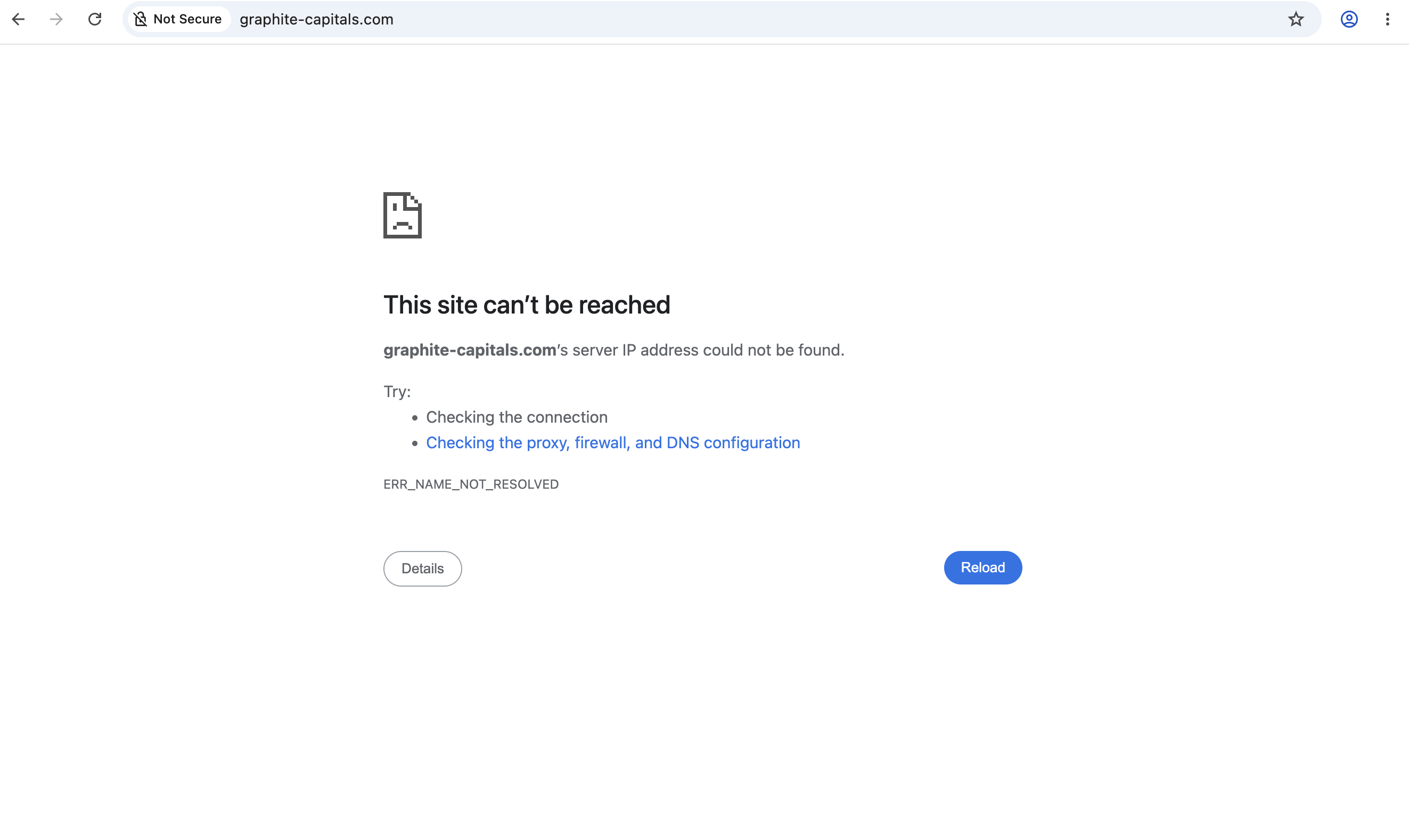
What Can You Do If You’ve Been Affected? If you've had any interactions with graphite-capitals.com, it’s really important to take a breath and act quickly:
Stop sending any more money right away. Make sure to save all your records, like transactions and messages. Take a moment to evaluate your situation before making any more decisions.
Getting your funds back in these cases can be tough and is usually a step-by-step process.
We’re here to offer some guidance to help you understand your options and what you might want to consider next.
👉 Head over to our Contact Us page to learn more and get the support you need.
Final Verdict: Should You Invest in Graphite Capitals? Graphite Capitals offers high-risk, high-reward potential , but it’s not a safe bet for most investors. The lack of regulation, illiquidity, and fraud risks make it a speculative play —best left to accredited, sophisticated investors who can afford to lose everything.
Key Takeaways: ✅ Pros: Access to private markets, potential for outsized returns, exclusivity. ❌ Cons: No regulatory protections, high fraud risk, illiquidity, hidden fees.
What Should You Do?
If you’re accredited , do deep due diligence before committing. If you’re not accredited , avoid unregistered platforms—stick to regulated alternatives. If you’re risk-averse , private equity and venture capital aren’t for you.
Next Steps If You’re Still Interested:
Demand full financial disclosures – Audited statements, fee breakdowns, and clear investment rationales. Research the leadership – Look for past regulatory issues or failed ventures. Talk to a financial advisor – Get a professional opinion on whether it fits your goals. Start small – If you proceed, limit your exposure to a tiny portion of your portfolio.
The Bottom Line Graphite Capitals is a perfect example of why unregistered investment platforms are a double-edged sword. They offer exclusive access to private markets , but at the cost of zero regulatory safeguards. For most investors, the smarter move is to stick with regulated alternatives that provide transparency, liquidity, and legal protections. If you’re still tempted by unregistered platforms, due diligence isn’t optional—it’s essential.