

Introduction
Scammers are increasingly leveraging the reputation of well-known financial institutions to deceive unsuspecting victims. One such fraudulent scheme involves the impersonation of National Australia Bank Limited (NAB), a major Australian bank, through a fraudulent website: cbacrsecurity.com. This article provides an objective analysis of how this scam operates, key red flags to watch for, and essential considerations for users to protect themselves from falling victim.Understanding the Scam: How cbacrsecurity.com Operates
1. The Initial Lure: Fake Security Alerts
The scam typically begins with unsolicited communications—such as emails, SMS messages, or phone calls—purporting to be from NAB. These messages claim that the recipient’s account has been compromised or that unusual activity has been detected. The goal is to create a sense of urgency, prompting the victim to act immediately. The fraudulent messages often include a link to cbacrsecurity.com, a website designed to mimic NAB’s official security portal. The domain name itself is a key red flag—legitimate NAB communications would never use a third-party domain like this.2. The Fake Website: A Closer Look at cbacrsecurity.com
Upon visiting cbacrsecurity.com, victims are presented with a professional-looking login page that closely resembles NAB’s official website. The site may include:- NAB branding (logos, color schemes, and formatting)
- Fake security warnings (e.g., "Your account has been locked due to suspicious activity")
- A login form requesting credentials (username, password, and sometimes additional verification codes)
- Drain the victim’s bank account
- Use the credentials to access other accounts
- Sell the stolen data on the dark web
3. Social Engineering Tactics
The scammers employ psychological manipulation to increase their success rate:- Urgency: Messages claim that immediate action is required to prevent account suspension.
- Fear: Victims are told their funds are at risk if they don’t comply.
- Authority: The use of NAB’s branding lends false legitimacy to the scam.
Key Observations About the Scam
1. Domain and Branding Analysis
- cbacrsecurity.com is not an official NAB domain. Legitimate NAB communications would use nab.com.au or nabsite.com.au.
- The website’s design mimics NAB’s official site, but closer inspection reveals inconsistencies, such as:
- Misspelled URLs
- Poor grammar in messages
- Unsecured or mismatched SSL certificates
2. Communication Channels
Scammers use multiple channels to spread the scam:- Phishing Emails: Fake security alerts sent to NAB customers.
- SMS (Smishing): Text messages with links to the fraudulent site.
- Phone Calls (Vishing): Automated or live calls claiming to be from NAB’s "security team."
3. Technical Indicators of Fraud
- HTTPS vs. HTTP: While the site may use HTTPS, this alone doesn’t guarantee legitimacy—scammers can obtain SSL certificates for malicious sites.
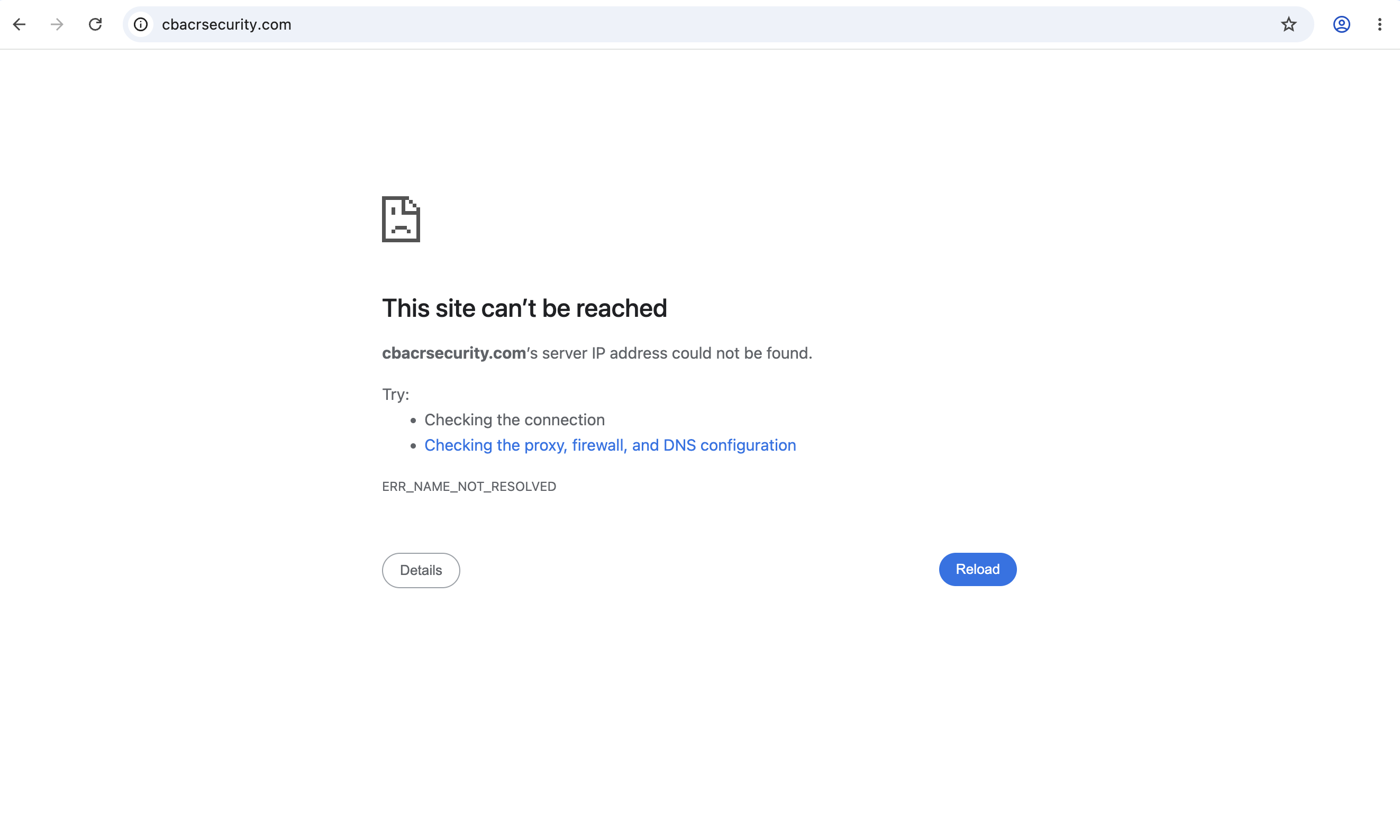
- Domain Age: cbacrsecurity.com is a recently registered domain, a common tactic to avoid detection.
- Server Location: The site may be hosted in a country with lax cybercrime enforcement.
How to Protect Yourself from This Scam
1. Verify the Source
- Never click on links in unsolicited messages. Instead, manually type NAB’s official website (nab.com.au) into your browser.
- Check the sender’s email address—legitimate NAB communications will come from @nab.com.au or a verified subdomain.
2. Recognize Red Flags
- Generic greetings (e.g., "Dear Customer" instead of your name)
- Threats of account suspension without prior notice
- Requests for sensitive information (passwords, PINs, or one-time codes)
3. Use Multi-Factor Authentication (MFA)
- Enable MFA on your NAB account to add an extra layer of security.
- Avoid sharing MFA codes with anyone, even if they claim to be from NAB.
Why This Scam is Effective (and How to Resist It)
1. Exploiting Trust in Financial Institutions
People are more likely to trust communications that appear to come from their bank. Scammers exploit this trust by mimicking official branding and messaging.2. The Role of Urgency and Fear
By creating a false sense of urgency, scammers pressure victims into acting without thinking critically.3. Psychological Manipulation
The scam preys on human emotions—fear of losing money, concern about account security, and the desire to resolve issues quickly.How to Resist
- Pause and verify before taking any action.
- Contact NAB directly using a known, official phone number.
- Educate yourself on common scam tactics to stay vigilant.
Legal and Regulatory Considerations
1. Reporting the Scam
- Australian Cyber Security Centre (ACSC): Report scams at www.cyber.gov.au.
- Scamwatch: Submit a report to www.scamwatch.gov.au.
2. Legal Recourse
- Victims of financial fraud may be eligible for compensation, depending on the circumstances.
- NAB has fraud detection systems in place, but customers must also take precautions.
3. Domain Suspension
Fraudulent domains like cbacrsecurity.com are often taken down quickly, but new ones emerge frequently. Staying informed is key to avoiding them.What Can You Do If You’ve Been Affected?
If you've had any interactions with cbacrsecurity.com, it’s really important to take a breath and act quickly:- Stop sending any more money right away.
- Make sure to save all your records, like transactions and messages.
- Take a moment to evaluate your situation before making any more decisions.
Conclusion: Staying Safe in a Digital World
The cbacrsecurity.com scam is a reminder that cybercriminals are constantly refining their tactics to exploit trust in financial institutions. By understanding how these scams operate, recognizing red flags, and adopting proactive security measures, users can significantly reduce their risk of falling victim.Final Takeaways
✅ Always verify unsolicited communications. ✅ Never share sensitive information via email or SMS. ✅ Use MFA and report suspicious activity immediately. ✅ Stay informed about emerging scam trends. By remaining vigilant and skeptical of unexpected requests, you can protect yourself and your finances from fraudulent schemes like this one.Disclaimer: This article is for informational purposes only and does not constitute financial or legal advice. Always consult official sources for guidance on security matters.