
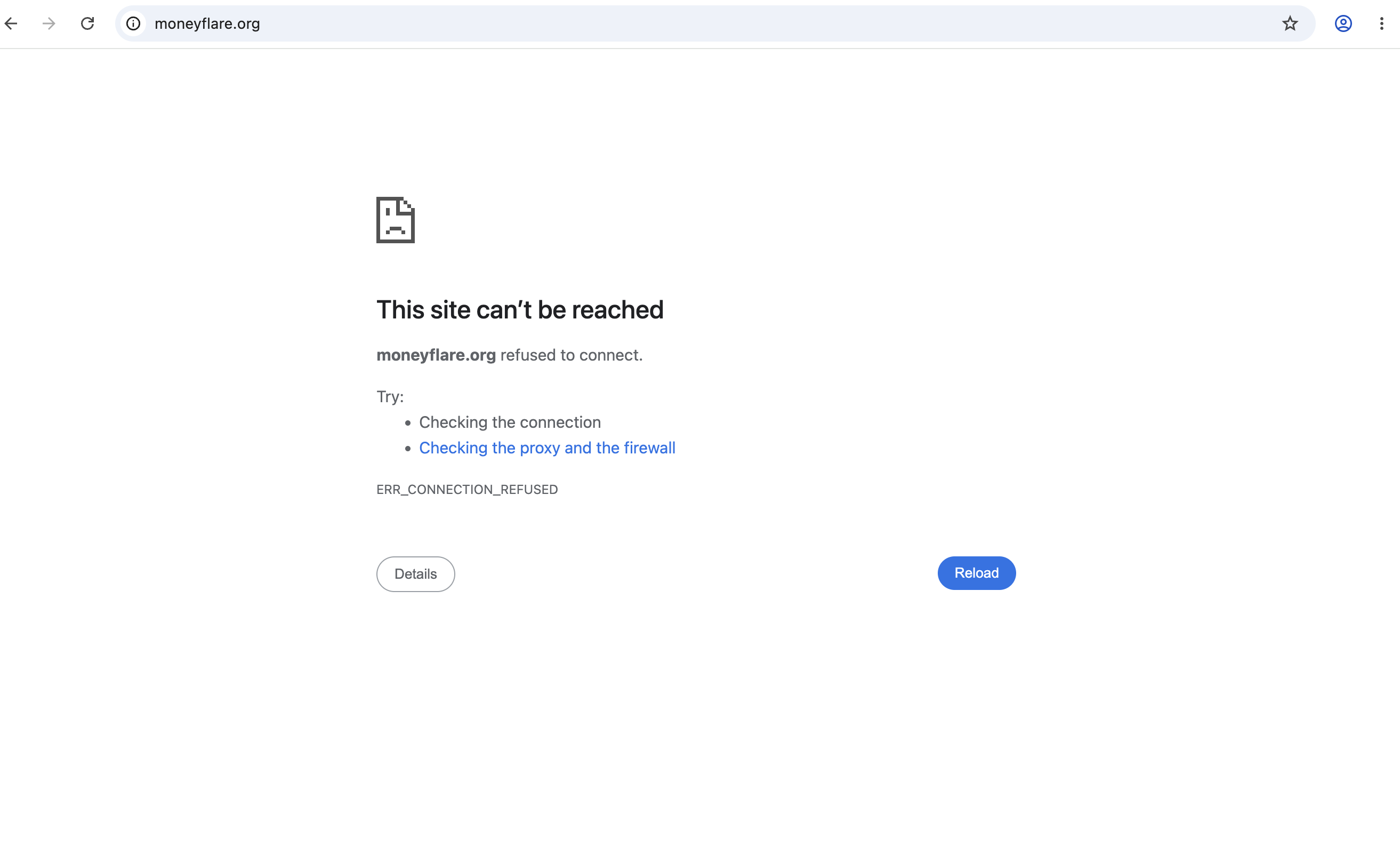

Introduction
Digital finance is evolving fast, and with it, so are the platforms promising big returns. MoneyFlare.org has popped up as one of these services, offering high returns and flexible investment options. But here’s the catch: it’s not officially registered, which raises serious questions about its legitimacy, compliance, and safety. In this article, we’ll take a close look at MoneyFlare.org—how it works, what risks it carries, and what you should consider before putting your money into it. By breaking down its business model, user experiences, and regulatory concerns, we’ll help you make a more informed decision.What Exactly Is MoneyFlare.org?
MoneyFlare.org markets itself as an investment platform where you can deposit money and earn returns through different financial strategies. Unlike traditional brokerages or registered investment firms, it operates without formal licensing in many places—which is a major red flag.What Does It Offer?
- Investment Opportunities – You can put your money into various investment options, often with promises of high returns.
- Flexible Withdrawals – The platform claims you can take your money out easily, though real user experiences vary.
- User-Friendly Interface – The website and dashboard are designed to be simple, even for people who aren’t financial experts.
- Affiliate & Referral Programs – Some users say they earn commissions by bringing in new members.
How Does It Make Money?
MoneyFlare.org’s revenue model isn’t fully transparent, but based on user reports and platform descriptions, it likely works like this:- Pooled Investments – Your money (and others’) could be combined and put into high-risk assets like cryptocurrencies, forex, or speculative ventures.
- Affiliate & Marketing Revenue – The platform might earn commissions from third-party services or referral bonuses.
- Hidden Fees – Some users report unexpected charges, like withdrawal fees or management costs.
What We’ve Noticed About MoneyFlare.org
1. No Regulatory Oversight
The biggest issue with MoneyFlare.org is that it’s unregistered. Unlike regulated platforms (think SEC-registered brokers or FCA-authorized firms), unregistered platforms:- Aren’t legally required to protect your funds.
- Don’t have to undergo financial audits, so transparency is limited.
- Might be operating in legal gray areas, depending on where you live.
2. Mixed User Experiences
Online reviews and forum discussions about MoneyFlare.org are all over the place:- Some users say they’ve received payouts on time and earned steady returns.
- Others complain about withdrawal problems, unresponsive support, or sudden account freezes.
- A few suspect it’s running like a Ponzi scheme, where early investors get paid with new deposits rather than real profits.
3. Aggressive Marketing Tactics
MoneyFlare.org seems to rely heavily on pushy marketing, including:- Social media promotions – Influencers and affiliate marketers hype it up with exaggerated return claims.
- Referral incentives – Users are encouraged to bring in new members, which can look a lot like a pyramid scheme.
- Urgency tactics – Some promotions make it sound like high returns are only available for a limited time, pressuring people to deposit quickly.
4. Lack of Transparency
A legitimate investment platform should clearly disclose:- Risks (e.g., "Your capital is at risk").
- Fees (e.g., withdrawal charges, management costs).
- Financial reports (if applicable).
What You Should Consider Before Using MoneyFlare.org
If you’re thinking about using MoneyFlare.org—or any unregistered platform—here’s what you need to weigh:1. Regulatory Risks
- No legal protections – If the platform fails or misuses funds, you have no recourse through financial ombudsmen or compensation schemes.
- Potential legal trouble – In some places, participating in unregistered investment schemes is illegal, which could put you at risk.
2. Financial Risks
- No guaranteed returns – High promised returns usually mean high risk. Many unregistered platforms collapse, leaving investors with losses.
- Withdrawal problems – Some users report delays or outright refusals when trying to take their money out.
3. Due Diligence Checklist
Before you deposit a single dollar, ask yourself: ✅ Is the platform registered with financial authorities? (Check your local regulatory body.) ✅ Are there independent audits or financial reports? (Legitimate firms are transparent.) ✅ What do user reviews say? (Look for patterns in complaints.) ✅ Do the returns sound realistic? (If it sounds too good to be true, it probably is.) ✅ What are the withdrawal terms? (Hidden fees or long processing times are red flags.)4. Better Alternatives
If you want safer, more reliable ways to grow your money, consider:- Registered brokerages (e.g., Fidelity, Charles Schwab, Interactive Brokers).
- Regulated crowdfunding platforms (e.g., Seedrs, Crowdcube).
- Government-backed savings schemes (e.g., Treasury bonds, fixed deposits).
What Can You Do If You’ve Been Affected?
If you've had any interactions with moneyflare.org, it’s really important to take a breath and act quickly:- Stop sending any more money right away.
- Make sure to save all your records, like transactions and messages.
- Take a moment to evaluate your situation before making any more decisions.
Final Verdict: Should You Use MoneyFlare.org?
MoneyFlare.org may seem like an easy way to grow your money, but its lack of regulation, inconsistent user experiences, and shady business practices make it a high-risk choice. While some users might have good experiences, the potential for fraud, mismanagement, or losing your money is very real.Our Recommendations
- Avoid it if safety is your priority – Stick to regulated platforms for long-term financial security.
- Proceed with extreme caution if you still want to try it – Only invest what you can afford to lose.
- Report suspicious activity – If you encounter fraud, let your local financial authorities know.
The Bigger Picture
Platforms like MoneyFlare.org remind us how important financial literacy and regulatory awareness are in today’s digital finance world. When something promises too-good-to-be-true returns, it’s usually a sign to proceed with caution. Have questions about how to verify a platform’s legitimacy? Drop them in the comments—we’re happy to help.Disclaimer: This article is for informational purposes only and isn’t financial advice. Always do your own research before making investment decisions.