

Introduction
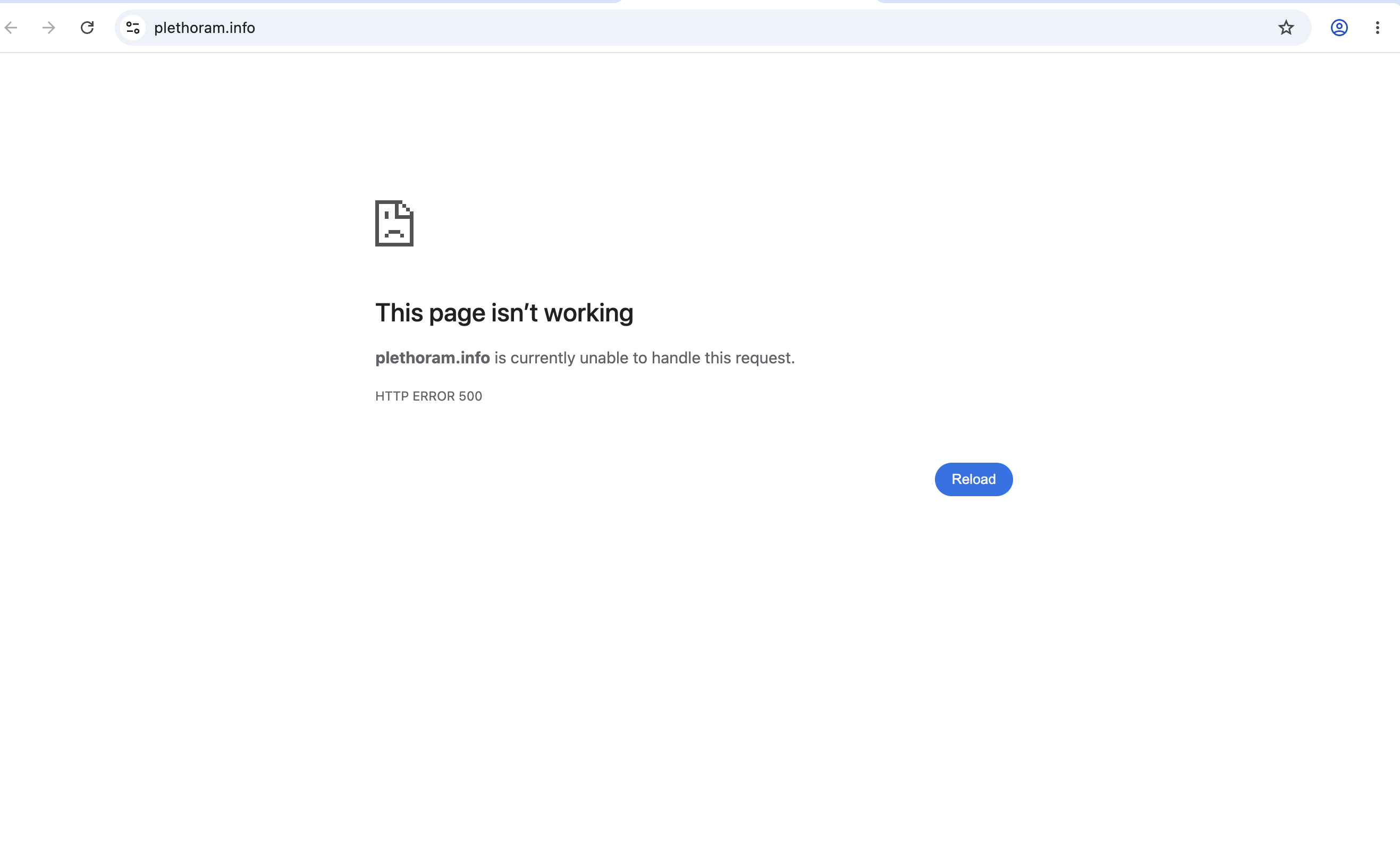
In the high-stakes world of private banking and institutional finance, personalized wealth management and tailored trading strategies are the gold standard. Platforms like Plethoram.info position themselves as exclusive financial partners, offering bespoke solutions for private clients, corporations, and institutional investors. However, operating without regulatory oversight introduces significant risks—from legal ambiguities to security vulnerabilities. This article provides a rigorous evaluation of Plethoram.info, examining its service quality, platform experience, and potential drawbacks to determine whether it is a legitimate wealth management solution or a high-risk proposition for sophisticated investors.1. Platform Experience: Usability and Professional Interface
1.1. User Interface and Design
Plethoram.info markets itself as a premium financial platform, but its design and functionality reveal gaps in user experience (UX) and professionalism.- Pros:
- Sleek, corporate aesthetic – A clean, minimalist interface that appeals to high-net-worth individuals (HNWIs) and institutions.
- Intuitive navigation – Well-organized menus for account management, trading, and reporting.
- Cons:
- Lack of advanced customization – No personalized dashboards, AI-driven insights, or multi-screen trading setups.
- Occasional lag in high-traffic periods – Suggests backend inefficiencies in handling large volumes.
1.2. Accessibility and Cross-Platform Compatibility
For a wealth management platform, seamless access across devices is non-negotiable.- Web & Mobile Support:
- Desktop: Fully functional on Chrome, Firefox, Edge, and Safari.
- Mobile: Responsive but lacks a dedicated app (accessible only via browser).
- No API for third-party integrations – Limits connectivity with external financial tools.
2. Service Quality: Wealth Management and Trading Strategies
2.1. Personalized Wealth Management
Plethoram.info claims to offer customized financial solutions, but its actual service depth remains unclear.- Pros (If Delivered):
- Tailored investment strategies – Potentially including alternative assets, private equity, or structured products.
- Dedicated relationship managers – For high-net-worth clients (though no public verification exists).
- Cons:
- No transparent fee structure – Hidden costs (e.g., performance fees, withdrawal penalties) may apply.
- Unverified asset allocation models – No clear methodology for portfolio construction.
- No historical performance data – Investors cannot assess past returns.
2.2. Trading and Execution Capabilities
For institutional and corporate clients, execution speed, liquidity, and advanced order types are critical.- Pros (If Supported):
- Access to niche markets – Possibly private placements, forex, or crypto derivatives.
- Algorithmic trading options – If available, but no public documentation.
- Cons:
- No transparency on execution quality – Slippage, latency, and order fulfillment remain undisclosed.
- Limited asset classes – No clear evidence of commodities, bonds, or real estate investment trusts (REITs).
- No direct market access (DMA) – Likely relies on third-party liquidity providers, increasing costs.
3. Potential Drawbacks: Risks and Ethical Concerns
3.1. Regulatory and Legal Risks
Plethoram.info operates without a financial license, which introduces severe legal and financial risks:- No Oversight by Financial Authorities – Not regulated by:
- SEC (U.S.)
- FCA (UK)
- BaFin (Germany)
- ASIC (Australia)
- or any other major regulator
- No Investor Protection Schemes – Unlike regulated brokers, no compensation funds (e.g., SIPC, FSCS) cover losses.
- Potential for Fraud or Mismanagement – Unregulated platforms have a history of:
- Ponzi schemes
- Misappropriation of funds
- Sudden shutdowns (exit scams)
- Extremely High Risk – No legal recourse if funds are lost or mismanaged.
- No KYC/AML Compliance – Could facilitate money laundering or illicit transactions.
3.2. Security and Cyber Risks
Wealth management platforms handle sensitive financial data, making them prime targets for cyberattacks.- Pros (If Implemented):
- Basic encryption (HTTPS) – Some pages may still use HTTP, exposing data to interception.
- Cons:
- No Two-Factor Authentication (2FA) – Vulnerable to brute-force attacks.
- No Cold Storage for Assets – If crypto is supported, private keys may not be securely stored.
- No Public Security Audits – No third-party verification of penetration testing or vulnerability assessments.
- No Bug Bounty Program – Security flaws may go unpatched.
- No Clear Data Retention Policy – User data could be sold or leaked.
- No Insurance on Client Funds – Unlike regulated banks, no FDIC or equivalent protection.
3.3. Transparency and Trustworthiness
Trust is the foundation of wealth management, yet Plethoram.info lacks critical transparency measures:- No Public Ownership Disclosure – No information on:
- Founders
- Headquarters location
- Legal entity registration
- No Financial Audits – No audited balance sheets or income statements.
- No Independent Reviews – Few user testimonials or third-party ratings.
4. Comparison with Regulated Wealth Management Platforms
To highlight Plethoram.info’s shortcomings, let’s compare it with established, regulated wealth management platforms:| Feature | Plethoram.info | Regulated Alternative (e.g., Goldman Sachs Private Wealth) |
|---|---|---|
| Regulatory Status | Unregulated | Fully licensed (SEC, FCA, etc.) |
| Investor Protection | None | Up to $500K (SIPC) or equivalent |
| Security | Basic encryption | Bank-grade encryption, 2FA, cold storage |
| Transparency | None | Public financial reports, audits |
| Customization | Limited | AI-driven portfolio optimization, tax strategies |
| Customer Support | Basic | Dedicated relationship managers, 24/7 support |
| Asset Availability | Unverified | Global markets (stocks, bonds, alternatives) |
5. Who Should (or Shouldn’t) Use Plethoram.info?
✅ Suitable For (With Extreme Caution):
- Sophisticated investors – Those who fully understand the risks and can verify asset availability.
- High-net-worth individuals (HNWIs) – If they conduct thorough due diligence and accept no legal recourse.
- Corporate treasuries – Only if internal risk management is in place.
❌ Not Suitable For:
- Retail investors – No protection against fraud or platform failure.
- Institutional clients – No regulatory compliance or large-scale support.
- Privacy-conscious users – No clear data protection policies.
- Beginners – Lack of educational resources and transparency.
6. Conclusion: A High-Risk Wealth Management Platform with Unproven Potential
Plethoram.info positions itself as a premium wealth management solution, but its lack of regulation, security flaws, and transparency issues make it a dangerous choice for most investors. While it may appeal to high-risk speculators or ultra-wealthy individuals, the absence of legal safeguards, investor protections, and financial transparency renders it unsuitable for serious wealth preservation.Key Takeaways:
✅ Potential Benefits (If Any):- Access to niche or alternative investments (if available).
- Personalized strategies (but no proof of effectiveness).
- Exclusive client service (if relationship managers exist).
- No regulatory oversight – No legal recourse if funds are lost.
- Security vulnerabilities – High risk of hacking, fraud, or data breaches.
- Unreliable performance – No guarantees on execution quality.
- No transparency – No way to verify legitimacy or financial health.
What Can You Do If You’ve Been Affected?
If you've had any interactions with plethoram.info, it’s really important to take a breath and act quickly:- Stop sending any more money right away.
- Make sure to save all your records, like transactions and messages.
- Take a moment to evaluate your situation before making any more decisions.
Final Verdict:
Plethoram.info is not a platform for prudent wealth management. The lack of licensing, security risks, and ethical concerns far outweigh any potential benefits. For those seeking legitimate, secure, and regulated financial services, the unregulated nature of Plethoram.info makes it a poor choice. Safer Alternatives:- Goldman Sachs Private Wealth (for institutional clients)
- Morgan Stanley Access (for HNWIs)
- Interactive Brokers (for global markets)
- Charles Schwab Private Client (for U.S. investors)