

Introduction
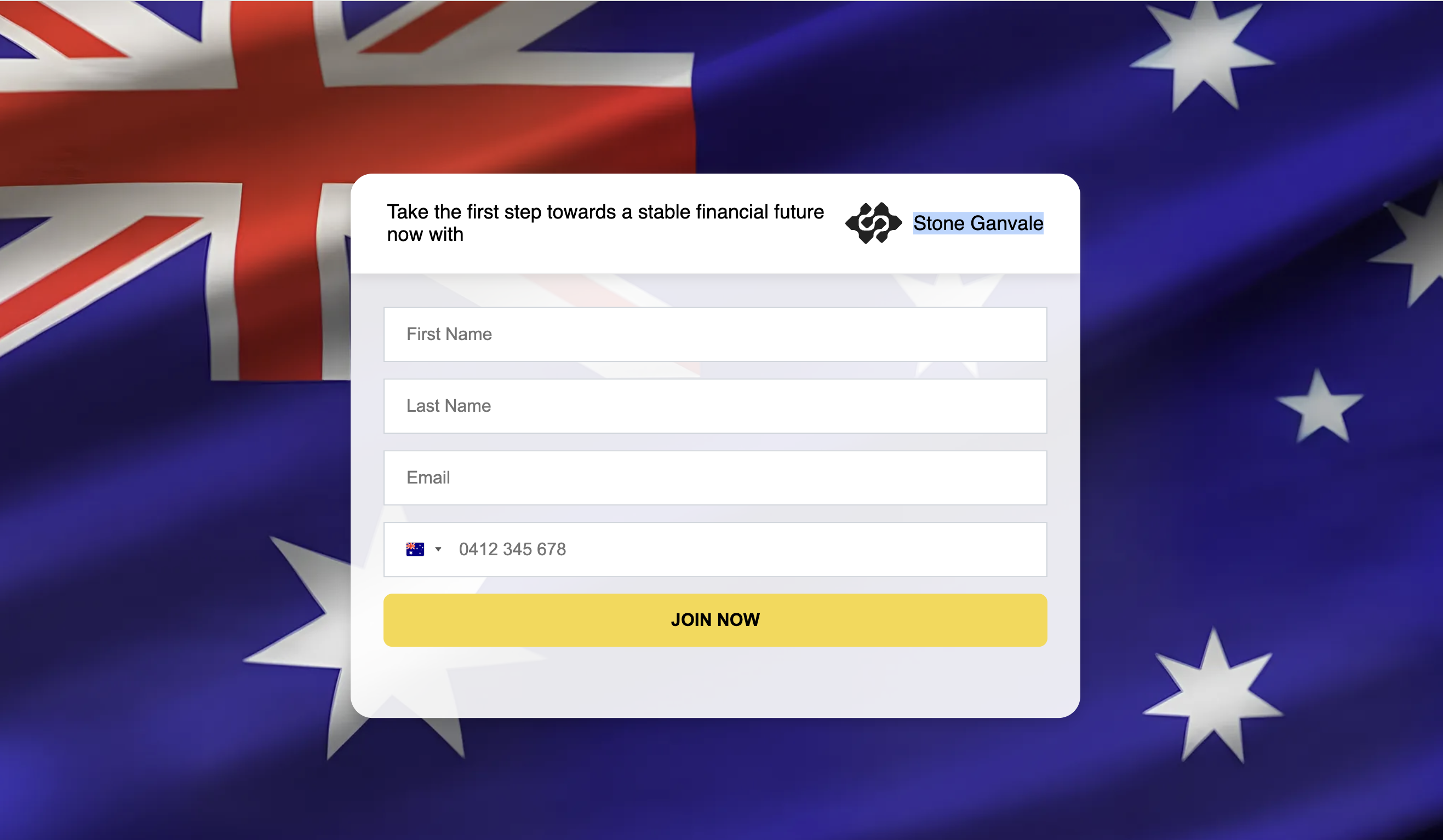
The financial trading world is already risky enough without the added threat of fraudulent platforms masquerading as legitimate investment opportunities. One such platform, Stone Ganvale, operating under the domain bedrockmonvex.com, has emerged as a suspicious AI trading scam that preys on unsuspecting investors. Marketed as an advanced AI-driven trading system, Stone Ganvale promises high returns with minimal effort. However, beneath its polished exterior lies a web of red flags—lack of regulation, opaque operations, and a history of investor complaints. In this article, we’ll dissect Stone Ganvale’s features, account management process, and warning signs to help you recognize and avoid this scam.What is Stone Ganvale (bedrockmonvex.com)?
Stone Ganvale presents itself as an AI-powered trading platform, claiming to use cutting-edge algorithms to generate profits in financial markets, including forex, cryptocurrencies, and stocks. The platform’s website, bedrockmonvex.com, is designed to look professional, with sleek graphics, testimonials, and promises of automated wealth generation.Key Features of Stone Ganvale
While the platform’s exact mechanics remain unclear, its marketing highlights several supposed advantages:- AI-Driven Trading Algorithms – Stone Ganvale claims to use artificial intelligence to analyze market trends and execute trades automatically, eliminating the need for manual trading.
- High Return Promises – The platform advertises daily profits, risk-free investments, and guaranteed returns, a classic hallmark of financial scams.
- User-Friendly Interface – The website suggests an intuitive dashboard where investors can monitor their "profits" in real time.
- Multiple Investment Plans – Users are often presented with tiered deposit options, each promising higher returns for larger investments.
- Cryptocurrency & Forex Trading – Stone Ganvale markets itself as a versatile platform capable of trading in both traditional and digital asset markets.
How Stone Ganvale’s Account Management Works
The process of signing up and managing an account on Stone Ganvale follows a familiar pattern seen in many scam platforms. Here’s a breakdown of what users can expect:1. Registration Process
- Users are prompted to create an account by providing basic personal details, such as:
- Full name
- Email address
- Phone number
- Password
- Unlike regulated brokers, Stone Ganvale does not require identity verification (KYC), making it easier for scammers to operate anonymously.
- Some users report receiving aggressive cold calls or emails shortly after signing up, pressuring them to deposit funds.
2. Deposit & Investment Process
- Stone Ganvale offers multiple deposit methods, including:
- Credit/debit cards
- Bank transfers
- Cryptocurrencies (Bitcoin, Ethereum, etc.)
- The platform encourages users to start with a minimum deposit, often around $250–$500, under the guise of "unlocking higher returns."
- Once funds are deposited, users are shown a trading dashboard where they can supposedly track their "investments." However, no real trading activity is visible—profits are often fabricated to lure more victims.
3. Withdrawal Difficulties & Scam Tactics
- When users attempt to withdraw funds, they encounter deliberate obstacles, such as:
- Excessive verification requests (even though KYC was never completed)
- Unreasonable withdrawal fees
- Sudden "account freezes" with no explanation
- Customer support disappearing after funds are deposited
- Some victims report that withdrawal requests are ignored entirely, while others receive partial payouts only after relentless follow-ups.
4. Fake Customer Support & Manipulation
- Stone Ganvale’s "support team" is often unresponsive or provides vague, scripted responses.
- Scammers may use social engineering tactics, such as:
- Claiming "temporary system issues" to delay withdrawals
- Pressuring users to deposit more to "unlock" their funds
- Threatening account termination if additional deposits aren’t made
Warning Signs: How to Spot Stone Ganvale as a Scam
Stone Ganvale exhibits classic red flags associated with financial scams. Here’s what to watch for:1. No Regulatory Licensing or Oversight
- No financial authority registration – Legitimate trading platforms are licensed by bodies like:
- FCA (UK)
- SEC (US)
- CySEC (Cyprus)
- ASIC (Australia)
- Stone Ganvale does not display any licensing information, a major warning sign.
2. Unrealistic Profit Guarantees
- Promises of "guaranteed returns" or "risk-free investments" are a hallmark of Ponzi schemes.
- AI trading is not a get-rich-quick scheme—even the most advanced algorithms cannot guarantee profits in volatile markets.
3. Pressure to Deposit Quickly
- Scammers often use urgency tactics, such as:
- "Limited-time bonus offers"
- "Exclusive investment opportunities"
- "Account closure if you don’t deposit now"
- Legitimate brokers never rush investors—take your time to research.
4. Lack of Transparency in Operations
- No verifiable trading history – Users cannot see real trades or market data.
- No third-party audits – Reputable platforms undergo independent reviews to ensure fairness.
- No clear company ownership – The entity behind Stone Ganvale is often hidden behind shell companies.
5. Negative User Experiences & Complaints
- Online forums (Reddit, Trustpilot, ScamAdviser) are filled with complaints about:
- Non-payment of withdrawals
- Fake testimonials (often stolen from other websites)
- Aggressive sales tactics
- No legitimate reviews – If a platform has no independent verification, it’s likely a scam.
6. Poor Website Security & Design
- No HTTPS encryption – A secure website should have "https://" and a padlock icon in the browser bar. If it doesn’t, do not enter personal or financial data.
- Copycat website design – Scam platforms often mimic legitimate sites to appear credible.
- Broken links & grammatical errors – Poorly constructed websites are a sign of a hastily made scam.
How Stone Ganvale’s Scam Operates
Understanding the psychological and operational tactics used by Stone Ganvale can help investors recognize and avoid similar scams in the future.Phase 1: Luring Victims with False Promises
- Marketing through ads, social media, and spam emails – Scammers target individuals interested in "easy money" or "AI trading."
- Fake celebrity endorsements – Some scam platforms use stolen images of Elon Musk, Gordon Ramsay, or other public figures to appear legitimate.
- High-pressure sales calls – Victims may receive robocalls or live agents urging them to deposit funds immediately.
Phase 2: Fabricating "Profits" to Build Trust
- Once a user deposits money, Stone Ganvale’s fake trading dashboard shows rapidly increasing "profits."
- Withdrawal requests are initially approved (often partially) to build credibility before the scam fully unfolds.
- Victims are encouraged to reinvest their "earnings" to "maximize returns."
Phase 3: The Withdrawal Trap
- After a user attempts to withdraw funds, Stone Ganvale suddenly imposes restrictions, such as:
- Requiring additional "verification fees"
- Claiming "tax obligations" that must be paid first
- Freezing the account indefinitely
- In many cases, victims lose their entire investment with no way to recover funds.
Phase 4: Disappearing Act
- Once enough money has been stolen, Stone Ganvale’s website may go offline.
- Customer support vanishes, and the scammers move on to new victims.
- No legal recourse – Since the platform operates illegally, victims have no protection under financial regulations.
Real-Life Victim Experiences
While exact case studies are hard to verify due to the anonymous nature of scams, numerous online reports describe similar experiences with Stone Ganvale:- "I deposited $1,000, and my account showed $1,500 in profits. When I tried to withdraw, they asked for a $200 'verification fee.' I paid it, but then they demanded more. Eventually, they blocked my account." – Victim on Reddit
- "I got a call from someone claiming to be a Stone Ganvale broker. They convinced me to deposit $5,000, promising huge returns. After a few weeks, I tried to withdraw, but they said my account was 'under review.' It’s been months, and I haven’t seen a penny." – Victim on Trustpilot
- "The website looks professional, but the trading results are fake. I lost $3,000 before realizing it was a scam." – Victim on ScamAdviser
How to Protect Yourself from AI Trading Scams Like Stone Ganvale
Avoiding financial scams requires vigilance, skepticism, and research. Here’s how to stay safe:1. Verify the Platform’s Legitimacy
- Check for regulatory licenses – Search the platform’s name on the FCA, SEC, or CySEC websites.
- Look for independent reviews – Trusted sources like Trustpilot, Forex Peace Army, or the Better Business Bureau (BBB) can provide insights.
- Search for complaints – Use Google searches with terms like "[Platform Name] scam" to find victim experiences.
2. Be Wary of "Too Good to Be True" Offers
- No legitimate AI trading system guarantees profits.
- If a platform promises "risk-free" or "guaranteed" returns, it’s a scam.
- Avoid platforms that pressure you to deposit quickly.
3. Never Share Sensitive Information
- Do not provide bank details, passwords, or copies of ID unless you’ve fully verified the platform.
- Use strong, unique passwords and enable two-factor authentication (2FA) where possible.
4. Test Withdrawals Before Large Deposits
- Start with a small deposit (if you must) and immediately attempt a withdrawal to see if the process works.
- If withdrawal requests are ignored or delayed, exit immediately.
5. Report Suspicious Platforms
- File a complaint with:
- Your country’s financial regulator (e.g., FCA in the UK, SEC in the US)
- Local law enforcement (e.g., Internet Crime Complaint Center (IC3) in the US)
- Consumer protection organizations (e.g., Action Fraud in the UK, FTC in the US)
Legitimate Alternatives to Stone Ganvale
If you’re interested in AI-driven trading or automated investments, consider regulated and transparent platforms such as:| Platform | Regulation | Key Features |
|---|---|---|
| eToro | FCA, CySEC, ASIC | Social trading, copy trading, regulated |
| Naga | CySEC, BaFin | AI-assisted trading, multiple asset classes |
| AvaTrade | FCA, ASIC, IIROC | Automated trading tools, strong reputation |
| Interactive Brokers | SEC, FCA, SFC | Low fees, advanced trading tools |
Final Verdict: Is Stone Ganvale Legit or a Scam?
After analyzing Stone Ganvale’s (bedrockmonvex.com) operations, user experiences, and warning signs, the conclusion is clear: ❌ Stone Ganvale is an unlicensed AI trading scam. ❌ It uses fake profits, aggressive sales tactics, and withdrawal traps to steal money. ❌ No legitimate trading occurs—profits shown are fabricated. ❌ Victims report losing thousands with no way to recover funds.What Can You Do If You’ve Been Affected?
If you've had any interactions with Stone Ganvale, it’s really important to take a breath and act quickly:- Stop sending any more money right away.
- Make sure to save all your records, like transactions and messages.
- Take a moment to evaluate your situation before making any more decisions.